



BRAZIL
A FOCUS ON
Sexual Health and Reproductive Justice in Brazil
In this stop, we hear from Paula Guimarães (Portal Catarinas), Emilia Miranda Senapeschi and Ligia Aparecida Correa Cardieri (Rede Nacional Feminista de Saúde, Direitos Sexuais e Direitos Reprodutivos), Gisela Foz (AbortionData), and Luciano Ramos (Instituto Mapear), who share their experiences from Brazil.
Habla LAC is a series that amplifies the voices of activists, professionals, and organizations working to advance sexual and reproductive health and rights in Latin America and the Caribbean. At a time of uncertainty for the global SRHR community—and with the International Conference on Family Planning (ICFP) taking place in Latin America for the first time - the series seeks to spotlight the region’s learnings, resistance, and innovations that can enrich global conversations and help build more just and sustainable futures.
Thank you for joining us on this stretch of our journey through Latin America and the Caribbean to explore insights around sexual health and reproductive justice.
-
Nesta parada, ouvimos Paula Guimarães (Portal Catarinas), Emilia Miranda Senapeschi e Ligia Aparecida Correa Cardieri (Rede Nacional Feminista de Saúde, Direitos Sexuais e Direitos Reprodutivos), Gisela Foz (AbortionData) e Luciano Ramos (Instituto Mapear), que compartilham suas vivências a partir do Brasil.
Habla LAC é uma série que amplifica as vozes de ativistas, profissionais e organizações que atuam pela saúde e pelos direitos sexuais e reprodutivos na América Latina e no Caribe. Em um momento de incerteza para a comunidade de SDSR em nível global, e com a Conferência Internacional sobre Planejamento Familiar (ICFP) sendo realizada pela primeira vez em solo latino-americano, a série busca dar visibilidade a aprendizados, resistências e inovações da região que podem nutrir os debates globais e contribuir para a construção de futuros mais justos e sustentáveis.
HOLDING THE LINE: BRAZIL’S ONGOING FIGHT FOR REPRODUCTIVE HEALTH AND AUTONOMY
-
Nesta parada, ouvimos Paula Guimarães (Portal Catarinas), Emilia Miranda Senapeschi e Ligia Aparecida Correa Cardieri (Rede Nacional Feminista de Saúde, Direitos Sexuais e Direitos Reprodutivos), Gisela Foz (AbortionData) e Luciano Ramos (Instituto Mapear), que compartilham suas vivências a partir do Brasil.
[Article]
Defendendo a Linha: A Luta Contínua do Brasil pela Saúde e Autonomia Reprodutiva
No Brasil, o direito ao planejamento familiar e à saúde sexual e reprodutiva está garantido na Constituição. Mas, entre o que está no papel e o que chega à vida cotidiana das pessoas, há uma longa distância. Essa lacuna é atravessada por desigualdades históricas, racismo estrutural, conservadorismo político e violência institucional — fatores que dificultam o acesso igualitário a direitos básicos, especialmente para meninas, mulheres negras, indígenas, pessoas LGBTQIA+ e populações periféricas.
Para Paula Guimarães, diretora do Portal Catarinas, um dos grandes entraves é que “desigualdades sociais, discriminação de gênero, racismo institucional e fundamentalismos religiosos impedem que esse direito seja igualmente acessado por todas as pessoas”. Ela destaca também como o acesso ao aborto legal, mesmo previsto em lei, é sistematicamente negado, sobretudo a meninas vítimas de estupro. O trabalho do jornalismo feminista, segundo ela, torna-se ainda mais relevante nesse contexto: “tem sido fundamental para informar, denunciar violações e fortalecer a luta por justiça reprodutiva”.
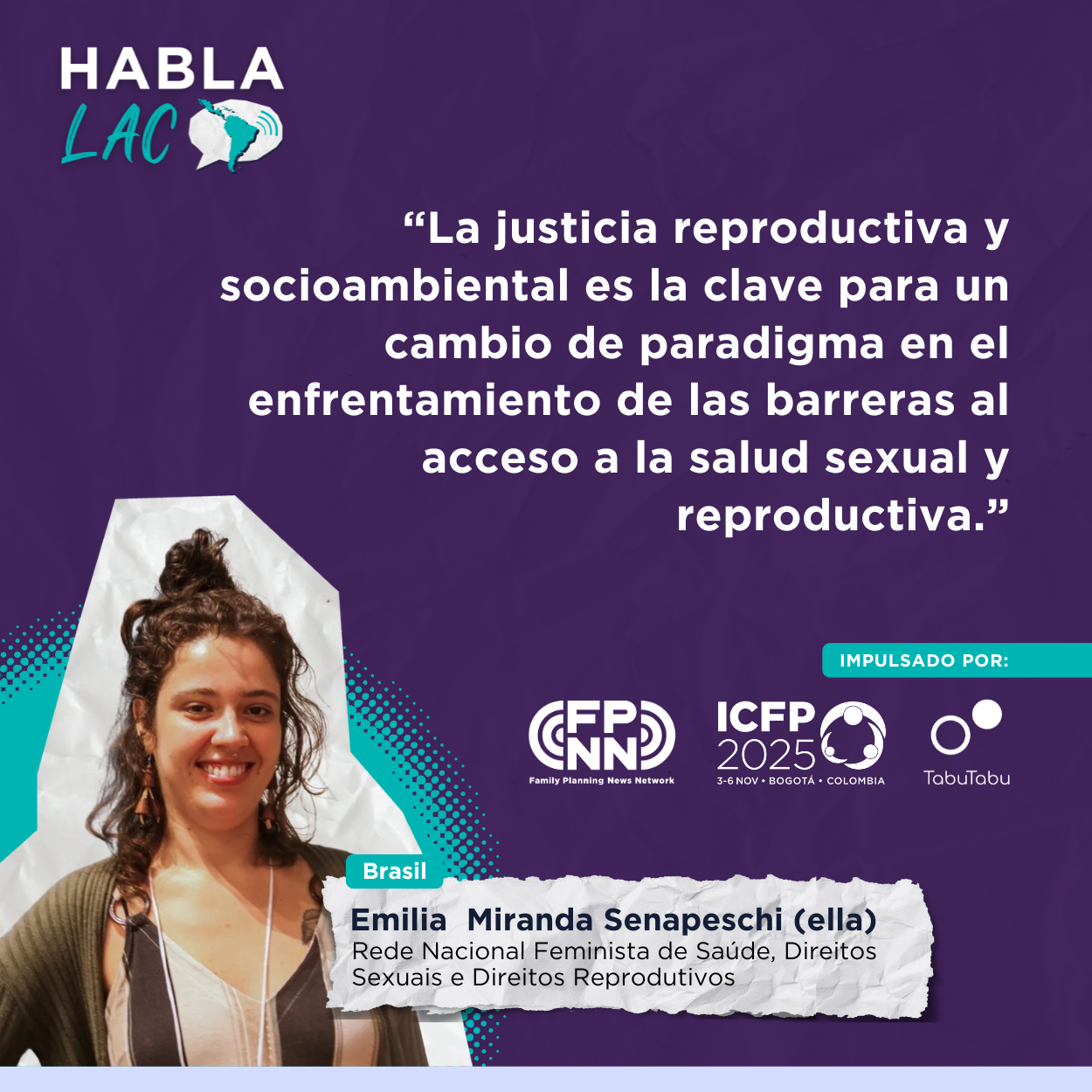
Para Emilia Senapeschi, da Rede Nacional Feminista de Saúde, Direitos Sexuais e Direitos Reprodutivos, um dos maiores obstáculos no Brasil é o enfrentamento à violência de gênero e sexual (estupro e estupro de vulnerável) que afeta de forma desproporcional crianças, adolescentes, jovens, mulheres e pessoas LGBTQIAPN+. “Principalmente as mais vulnerabilizadas: negras, pobres, faveladas, periféricas, em situação de rua, em conflito com a lei, privadas de liberdade, trabalhadoras do sexo, agricultoras, ribeirinhas, pescadoras, marisqueiras, extrativistas, quilombolas, indígenas, migrantes e refugiadas — e que vivem em territórios de conflitos armados e/ou socioambientais, mais precisamente, na Amazônia, Norte e Nordeste do país”, explica. A negação de direitos também se reflete no acesso desigual a métodos contraceptivos e serviços de saúde reprodutiva.
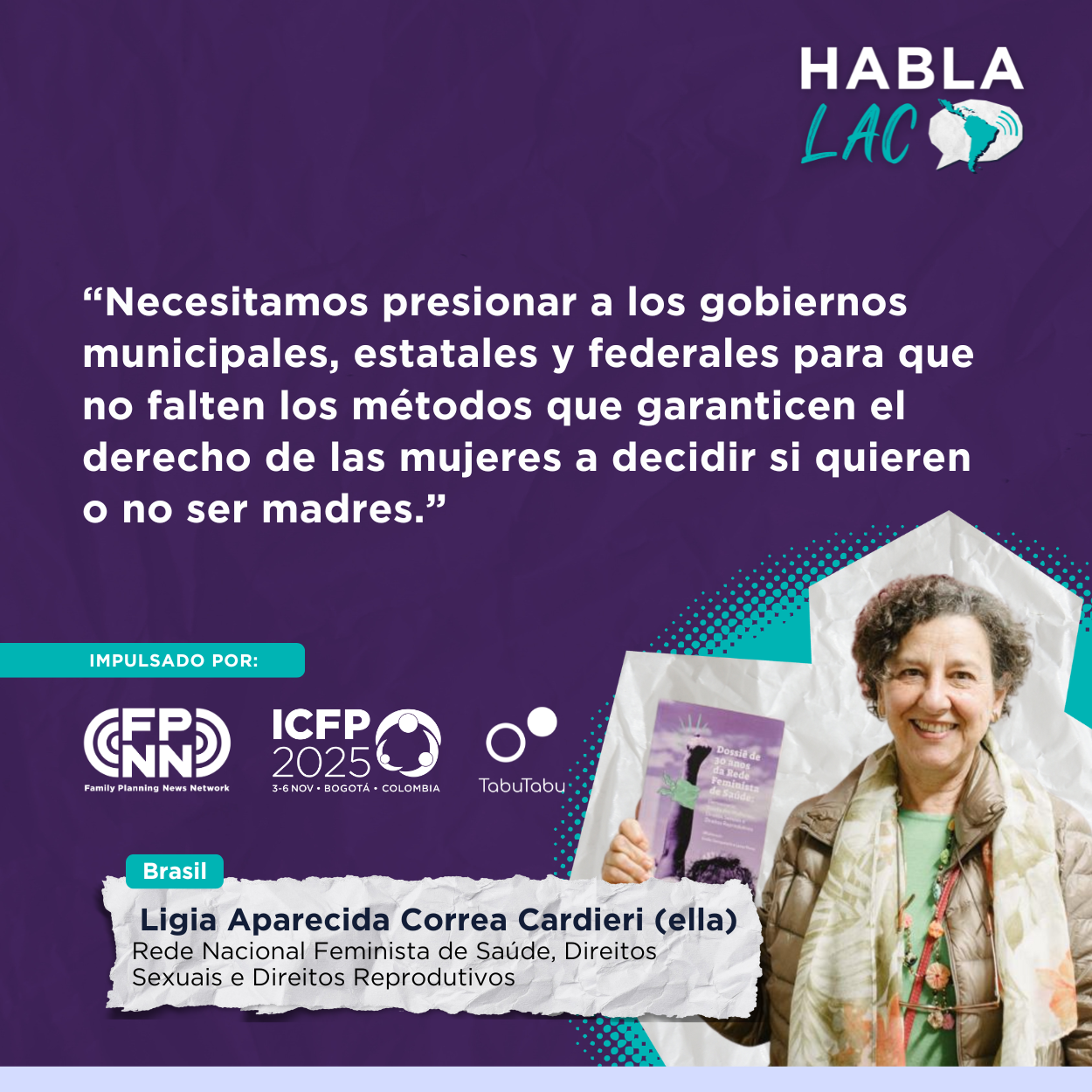
A distribuição irregular de métodos contraceptivos, somada à falta de informação e orientação, contribui para um alto número de gestações indesejadas. Esse ponto é levantado por Ligia Aparecida Correa Cardieri, que foi Coordenadora Geral de Saúde das Mulheres na Rede Nacional Feminista de Saúde. Ela ressalta que mesmo os métodos disponíveis pelo SUS ainda são pouco divulgados e acessados pelas mulheres que mais precisam: “há muitas gravidezes indesejadas por falta de acesso ou uso inadequado de método anticoncepcional”. Em muitos casos, a oferta de métodos existe apenas no papel, enquanto na prática faltam insumos e profissionais capacitados. Para Ligia, é fundamental “pressionar os governos municipais, estaduais e do nível federal para que não deixem faltar os métodos para garantir o direito à escolha ou não da maternidade”.
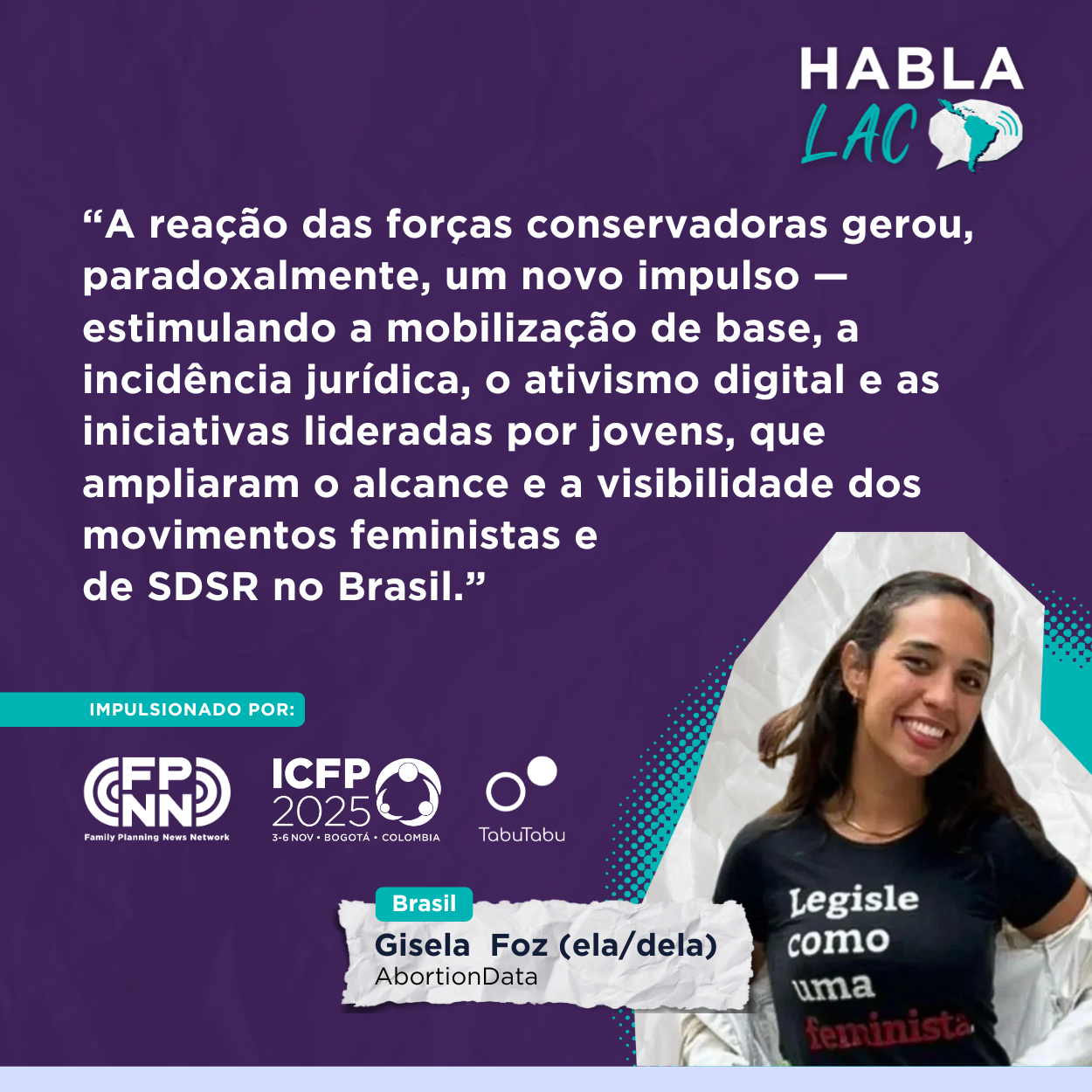
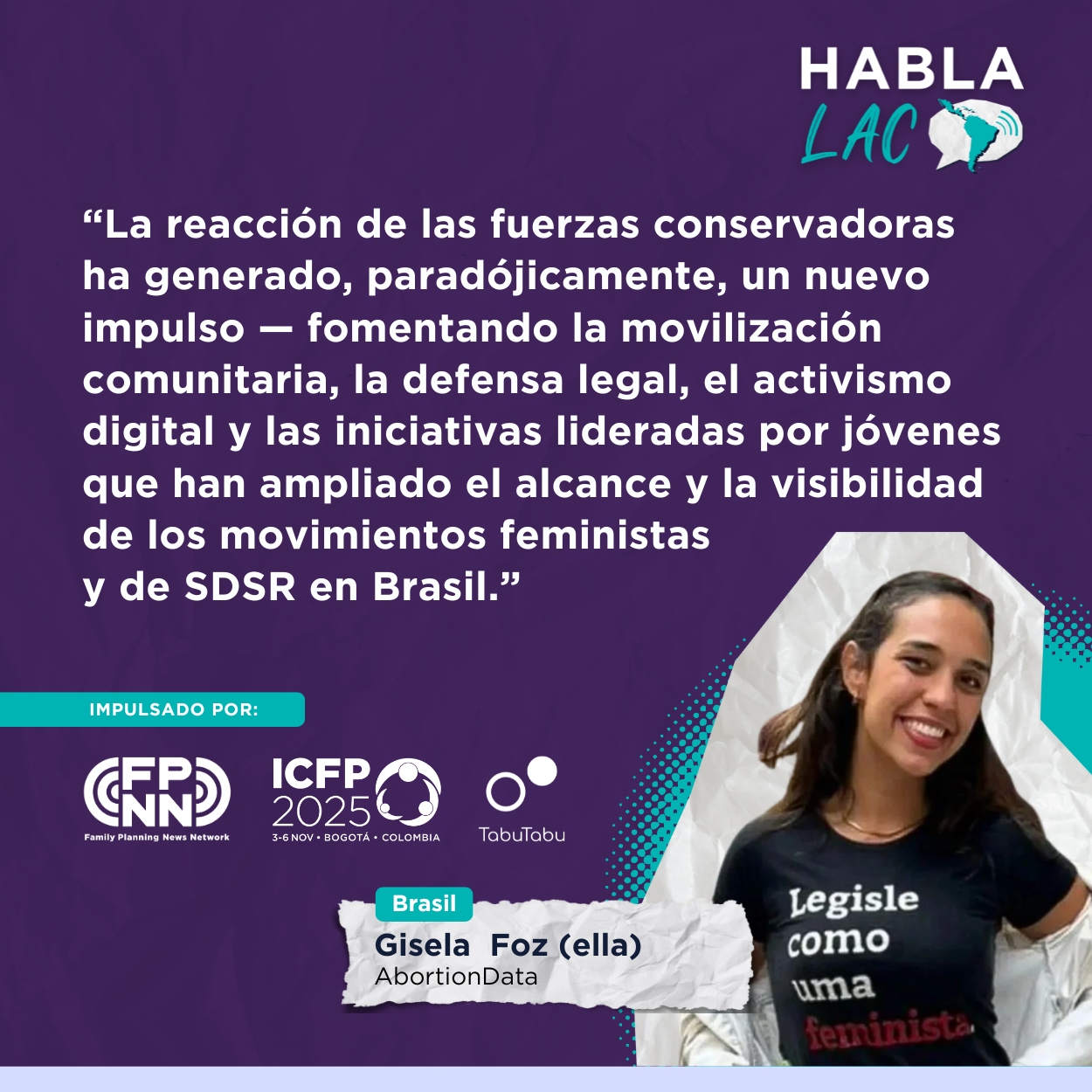
Além da escassez de insumos, há um problema mais profundo de articulação institucional. Como observa Gisela Foz, pesquisadora da AbortionData, “não existe uma política federal abrangente que integre SDSR, planejamento familiar e igualdade de gênero de forma holística”. Ela também aponta que, apesar do ambiente político hostil, as organizações brasileiras têm demonstrado uma resiliência notável. “A reação dos setores conservadores gerou, paradoxalmente, um novo impulso, estimulando mobilizações de base, ações jurídicas, ativismo digital e iniciativas lideradas por jovens que ampliaram o alcance e a visibilidade do movimento”, afirma.
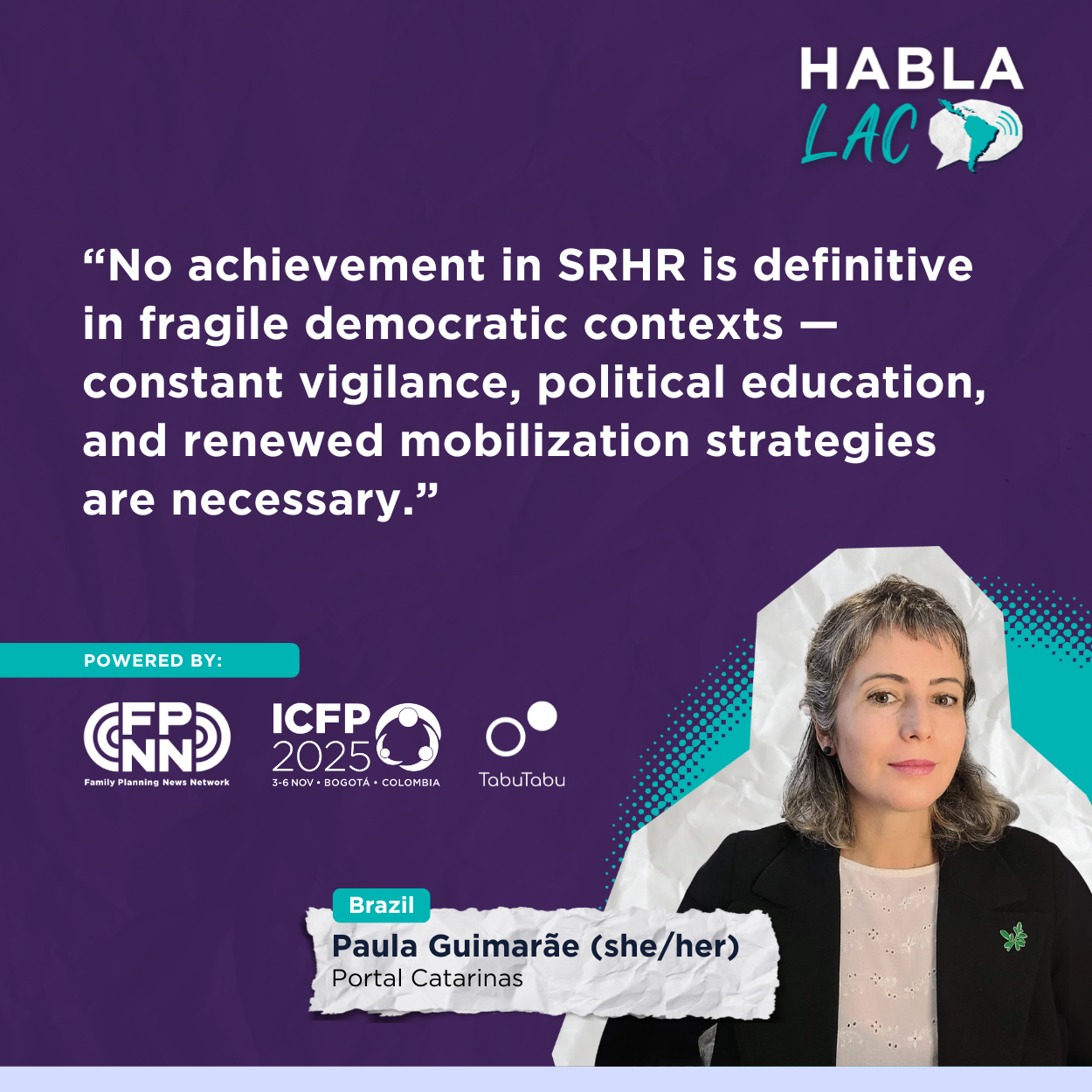
Um exemplo concreto dessa resistência articulada é a campanha Criança não é Mãe, mobilização que surgiu em resposta a propostas legislativas como o PL 1904/2024, que tenta equiparar o aborto legal — inclusive nos casos de estupro — ao crime de homicídio, e à PEC 164/2024, que busca estabelecer a inviolabilidade da vida desde a concepção na constituição brasileira. Paula destaca que a força da mobilização vem da junção entre comunicação digital estratégica, produção de informação baseada em direitos humanos e articulação entre movimentos feministas, jornalistas, juristas e parlamentares progressistas. “Nenhuma conquista em SDSR é definitiva em contextos democráticos fragilizados — sendo necessário vigilância constante, formação política e renovação das estratégias de mobilização”, reforça Paula.
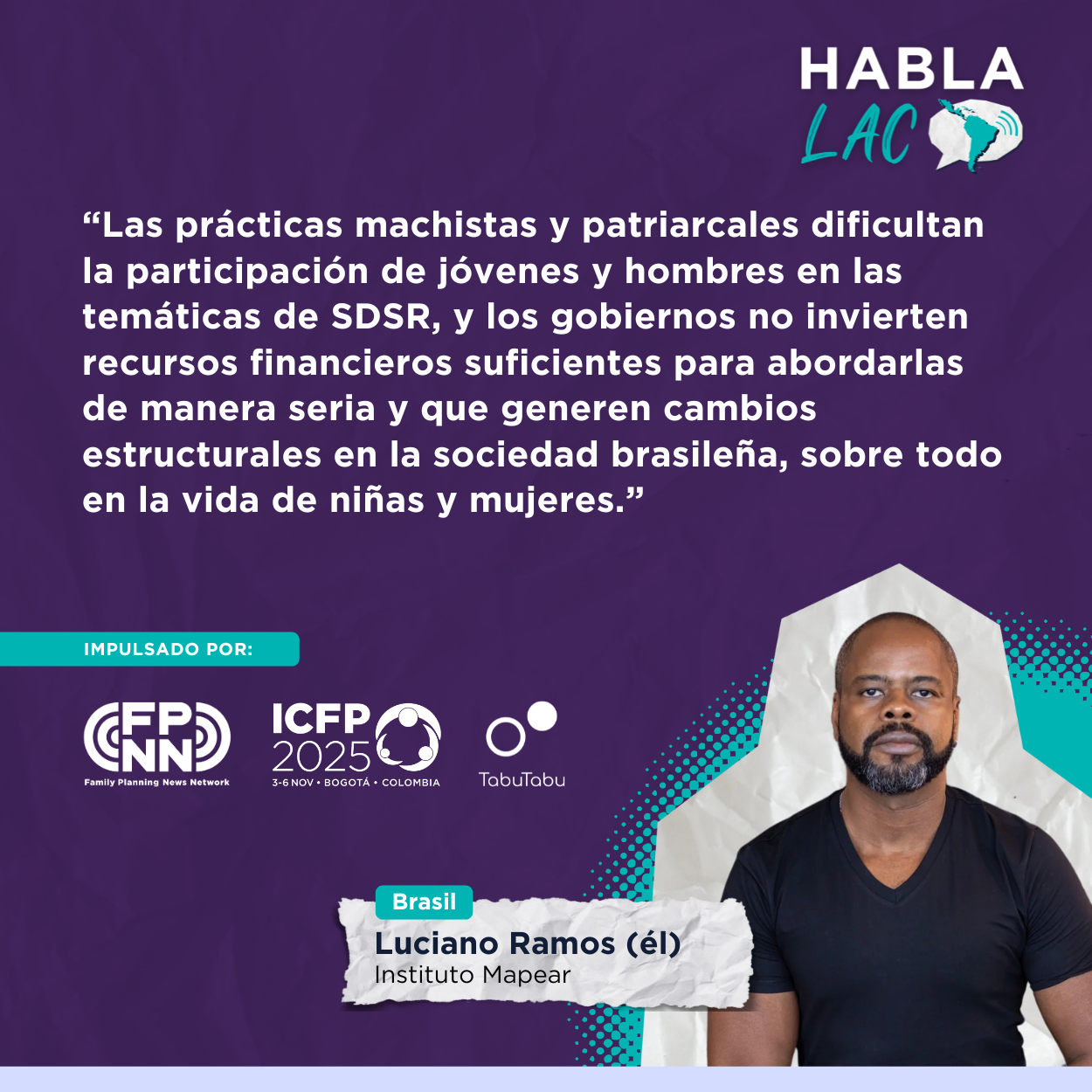
Outro aspecto essencial para transformar o futuro do planejamento familiar é enfrentar as normas de gênero que afastam homens do debate sobre saúde reprodutiva. Luciano Ramos, diretor do Instituto Mapear, vê o machismo como um obstáculo central: “As práticas machistas e patriarcais dificultam o envolvimento de rapazes e homens nas temáticas”. Seu trabalho com oficinas de masculinidades propõe caminhos para envolver esses públicos de forma transformadora, buscando mudanças culturais mais duradouras.
Apesar do cenário difícil, os entrevistados demonstram confiança na potência das articulações comunitárias, da produção de informação baseada em evidências, e na criatividade das estratégias de mobilização. O Brasil tem enfrentado desafios com poucos recursos, mas muita persistência. Como aponta Gisela, “a experiência brasileira mostra que a resistência, quando enraizada em solidariedade e ação estratégica, pode gerar inovação e transformação de longo prazo”.
Num país de dimensões continentais e realidades tão diversas, as respostas talvez estejam nas experiências locais, nas alianças interseccionais e na coragem de continuar — mesmo quando os ventos sopram contra.
In Brazil, the right to family planning and sexual and reproductive health is guaranteed by the Constitution. But there’s a wide gap between what’s written on paper and what actually reaches people’s daily lives. This gap is shaped by historical inequalities, structural racism, political conservatism, and institutional violence — factors that hinder equal access to basic rights, especially for girls, Black and Indigenous women, LGBTQIA+ people, and those living in the margins.
For Paula Guimarães, director of Portal Catarinas, one of the main barriers is that “social inequalities, gender discrimination, institutional racism and religious fundamentalism prevent this right from being equally accessible to everyone.” She also highlights how legal abortion, although provided for by law, is systematically denied — particularly to girls who are survivors of rape. In this context, feminist journalism has become even more essential: “it has been fundamental for informing, denouncing violations, and strengthening the struggle for reproductive justice.”
According to Emilia Senapeschi, from the National Feminist Network for Health, Sexual Rights and Reproductive Rights, one of Brazil’s greatest challenges lies in confronting gender-based and sexual violence—including rape and statutory rape—which disproportionately affects children, adolescents, young people, women and LGBTQIAPN+ individuals. “Especially those most marginalized: Black, poor, favela (shanty town) residents, people living on the streets, in conflict with the law, incarcerated, sex workers, rural women, riverine and coastal communities, shellfish gatherers, extractivists, quilombolas, Indigenous peoples, migrants and refugees — particularly in territories marked by armed conflict and/or socio-environmental vulnerability, such as the Amazon and Brazil’s North and Northeast regions,” she explains. This denial of rights is also evident in the unequal access to contraceptive methods and reproductive health services.
The irregular distribution of contraceptives, combined with a lack of information and guidance, contributes to a high number of unintended pregnancies. This point is raised by Ligia Aparecida Correa Cardieri, former General Coordinator of Women's Health at the National Feminist Health Network. She notes that even the methods available through the public health system (SUS) are still poorly disseminated and often inaccessible to the women who need them most: “there are many unintended pregnancies due to lack of access to or incorrect use of contraceptive methods.” In many cases, these methods exist only on paper — in practice, there is a lack of supplies and trained professionals. For Ligia, it is essential to “pressure municipal, state and federal governments not to let these supplies run out, in order to guarantee women the right to choose whether or not to become mothers.”
Beyond the supply issues, there’s a deeper problem of institutional coordination. As Gisela Foz, researcher at AbortionData, points out, “there is no comprehensive federal policy that integrates SRHR, family planning and gender equality in a holistic way.” Still, she notes that despite the politically hostile environment, Brazilian organizations have shown remarkable resilience. “The pushback from conservative forces has, paradoxically, generated new momentum — spurring grassroots mobilization, legal advocacy, digital activism and youth-led initiatives that have expanded the movement’s reach and visibility,” she says.
A concrete example of this coordinated resistance is the Criança não é Mãe (“A Child Is Not a Mother”) campaign — a mobilization that arose in response to legislative proposals such as Bill 1904/2024, which seeks to equate legal abortion (even in cases of rape) with homicide, and Constitutional Amendment 164/2024, which attempts to establish the “inviolability of life from conception” in Brazil’s constitution. Paula notes that the strength of this mobilization comes from a combination of strategic digital communication, rights-based information production, and coordination among feminist movements, journalists, legal experts and progressive lawmakers. “No achievement in SRHR is definitive in fragile democracies—constant vigilance, political education and renewed mobilization strategies are necessary,” she emphasizes.
Another key aspect of transforming the future of family planning is challenging gender norms that exclude men from conversations around reproductive health. Luciano Ramos, director of the Instituto Mapear, sees machismo culture as a major obstacle: “patriarchal and sexist practices make it difficult to involve boys and men in these discussions.” His work with masculinity workshops aims to engage these groups in a transformative way, promoting cultural change that can have a long-term impact.
Despite a difficult landscape, the interviewees express confidence in the power of grassroots organizing, evidence-based information, and creative mobilization strategies. Brazil has faced many of these challenges with limited resources—but with tremendous persistence. As Gisela puts it, “Brazil’s experience shows that resistance, when rooted in solidarity and strategic action, can spark innovation and long-term transformation.”
In a country as vast and diverse as Brazil, the answers may lie in local experiences, intersectional alliances and the courage to keep going—even when moving against the wind.








Explore the full series


